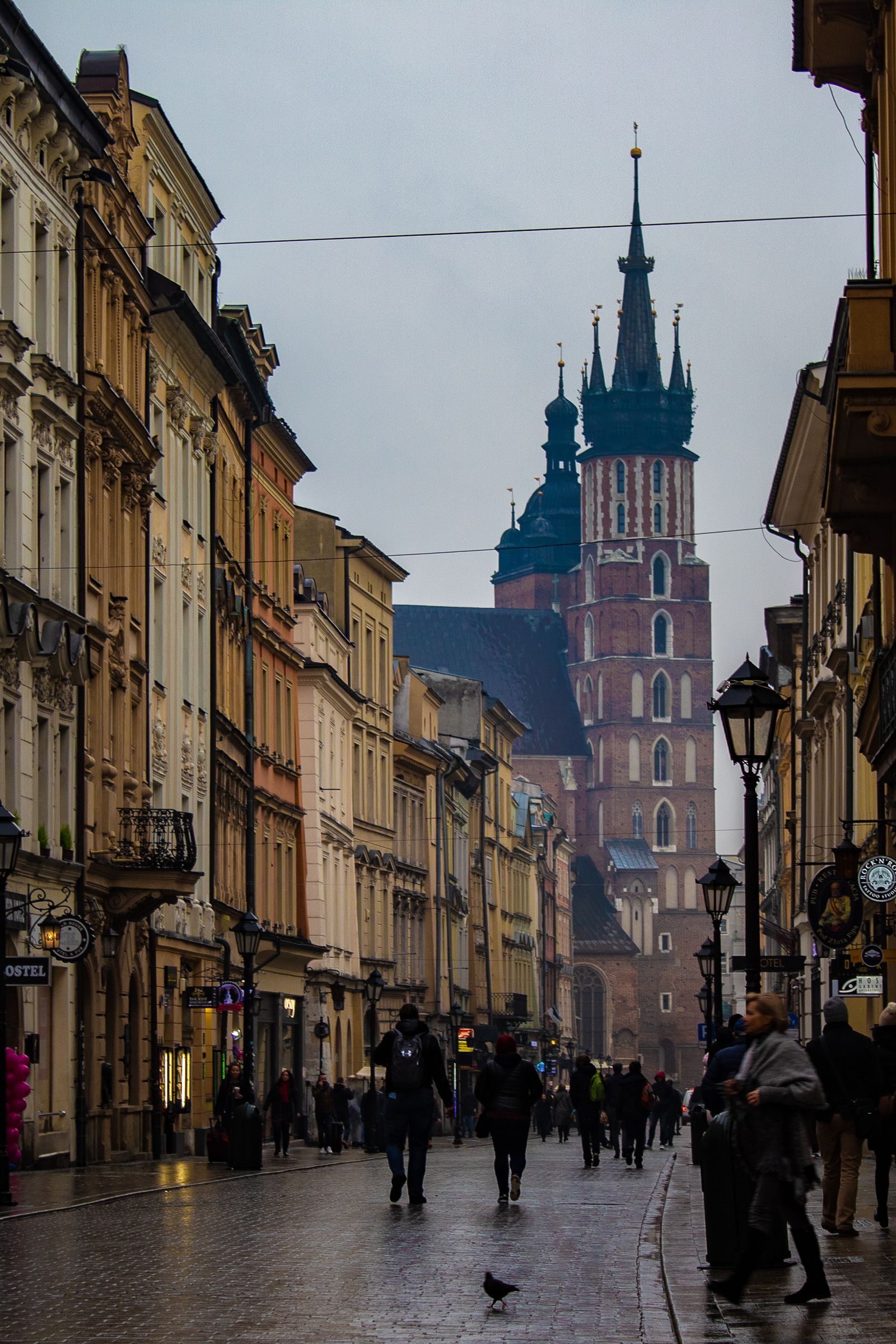
Toruń

Kuyavia-Pomerania

Toruń

Toruń is a compact medieval city on the Vistula, known for its UNESCO-listed historic core, Nicolaus Copernicus associations and long gingerbread tradition. It also makes a thoughtful starting point for exploring selected places across Kuyavia-Pomerania and the Lower Vistula region.

Toruń suits travellers who enjoy discovering a city on foot rather than racing between headline attractions. Its UNESCO World Heritage property brings together the Teutonic Castle ruins, the Old Town and the New Town: a remarkably preserved medieval urban landscape of brick churches, townhouses, granaries, gates and defensive walls beside the Vistula. Begin around the market squares and the Old Town Hall, then follow the lanes towards the river, the castle ruins and the city’s Gothic churches. The House of Nicolaus Copernicus and the Planetarium give the city’s astronomy connection useful context, while Toruń’s gingerbread tradition can be explored through its museums and hands-on experiences. Individual museum programmes, language options and opening times vary, so they should be checked when planning. Toruń works well for a full day, but an overnight stay allows for a slower rhythm: time for the riverfront, a museum visit and a meal without reducing the historic centre to a checklist. It can also be the anchor for a wider regional route. Bydgoszcz offers a contrasting waterside city break around the Brda and Mill Island; Chełmno, Biskupin, Golub-Dobrzyń, Ciechocinek and Inowrocław each suit different interests. They are separate outings, however, and work best when chosen selectively around current transport, driving plans and opening times. LinkedTri is an independent online travel-planning service specialising in bespoke, tailor-made journeys in Poland.

What to see

  • The UNESCO Medieval Town: Explore the Old Town, New Town and Teutonic Castle ruins as a connected medieval landscape, with market squares, brick Gothic churches, townhouses, gates, granaries and defensive walls.
  • Old Town walking route: Take a self-guided route through the central streets, from the Copernicus monument and Old Town Hall to Artus Court, the Leaning Tower, historic gates and quieter corners beyond the main square.
  • Copernicus and the Planetarium: Visit the House of Nicolaus Copernicus for the city’s connection with the astronomer, then consider a Planetarium programme. Exhibitions, screenings and language options should be checked for your dates.
  • Toruń gingerbread: Discover the city’s historic gingerbread tradition through its specialist museums and, where suitable, a hands-on baking experience. These are distinct attractions, so check the current format and booking arrangements before choosing.
  • Vistula riverfront and skyline: Walk Philadelphia Boulevard and take time for views of Toruń’s medieval skyline. River cruises and waterside venues are seasonal and weather-dependent.
  • Bydgoszcz and Mill Island: Add a separate city outing along the Brda for Mill Island, historic granaries, waterside walks and a different perspective on Kuyavia-Pomerania. Plan current rail or road connections rather than treating it as a Toruń neighbourhood.
  • Chełmno’s historic centre: Consider Chełmno for a smaller-scale medieval-town excursion with an Old Town, Gothic churches and defensive character. Check transport and site hours before committing to the day.
  • A carefully chosen regional day out: Prehistory at Biskupin, the castle at Golub-Dobrzyń, or the spa-park landscapes of Ciechocinek and Inowrocław can each add a different dimension. Choose one around your interests, season and transport mode instead of trying to fit the whole region into a short stay.

Best time to visit

Spring to early autumn is particularly pleasant for long walks, river views and combining Toruń with outdoor regional stops. Summer brings longer daylight but also busier streets and events. Winter can still suit a compact city break centred on the historic core and indoor museums, though daylight is shorter and some seasonal schedules may be reduced. Check current museum, Planetarium, transport and excursion arrangements for your dates.

Frequently asked questions about Toruń

A full day is enough to see Toruń’s principal medieval streets, riverfront and a small number of museums at a comfortable pace. An overnight stay is a better fit if you want time for the UNESCO-listed historic core, a Copernicus or gingerbread visit, and an unhurried evening in the city. Add further time only if you are planning selected regional outings rather than trying to combine everything into one short visit.

It can work well as a planned city break or a one-night stop within a wider Poland route, especially for travellers interested in medieval architecture, Copernicus and gingerbread. Whether a same-day visit is sensible depends on your current rail or driving plans and the time you want in the historic centre. Check live schedules and allow enough time to enjoy the city rather than treating it as a quick photo stop.

The Old Town is central to a first visit, but Toruń also has the Vistula riverfront, the Teutonic Castle ruins, the House of Nicolaus Copernicus, Planetarium programmes and gingerbread-focused museums or workshops. Individual opening times, language options and booking arrangements vary, so choose the experiences that suit your dates and interests.

Yes, but it works best as a selective regional route. Bydgoszcz offers a contrasting waterside city outing around the Brda and Mill Island, while Chełmno, Biskupin, Golub-Dobrzyń, Ciechocinek and Inowrocław each have different appeal. They are separate excursions, not parts of Toruń itself, so plan around current transport, driving arrangements, season and opening times.