When to visit
When to Visit Poland: A Month-by-Month Guide
Poland can be rewarding in every season; the best time depends on whether you are drawn to city culture, outdoor days, mountains, the Baltic coast, seasonal food or festive atmosphere. Explore the months below to match the character of your trip with the pace, weather and experiences that suit you.
There is no single best month for every Poland trip. For city breaks, late spring and early autumn often balance walking weather and a fuller cultural calendar. For the Baltic coast, lakes and outdoor time, summer usually gives the longest days but also the busiest periods. For mountain walking, conditions matter more than the calendar. For Christmas markets and winter cities, plan for short daylight and cold weather.
Choose your season by trip style
City breaks, museums and food
Spring and early autumn can suit travellers who want time outdoors between museums, neighbourhood walks, restaurants and evening plans. Winter can also work well for a city-focused trip if you are comfortable with cold weather and shorter days.
Baltic coast, lakes and slower outdoor days
Late spring through summer is usually the most straightforward period for coastal and lakeside time. School holidays, weekends and warm-weather periods can be busier, so a route may need more advance planning and a little more flexibility.
Mountains and active days
The Tatras and other mountain areas need a conditions-led approach. Snow, storms, wind, trail closures and daylight can change what is sensible on the day. Before setting out, check the relevant national-park information and current weather rather than relying on a seasonal generalisation.
Culture, heritage and quieter pacing
Autumn and winter can be rewarding for travellers whose priorities are cities, galleries, food, heritage and a less outdoor-led pace. Opening hours, public holidays and seasonal programmes vary, so build the final plan around checked dates.
Families and different generations
For a multi-age trip, prioritise manageable travel days, indoor alternatives and fewer accommodation changes over trying to fit every region into one visit. Late spring, summer and early autumn can make outdoor breaks easier, but the right timing depends on the children's ages, mobility needs and preferred pace, which is covered in our family and multigenerational Poland trip planning guidance.
Choosing a season for your first trip to Poland
For a first visit centred on cities such as Warsaw and Kraków, the most useful starting point is often not a single “best” month, but the kind of trip you want to have. Longer, milder days can make a walking-focused city route feel more relaxed. Summer can suit travellers who enjoy a livelier atmosphere, while winter brings shorter daylight hours and a different rhythm for city breaks.
If you are still deciding how much to include, start with the Poland itinerary planning guide. If the season affects whether you would rather travel mainly by rail or include a car for part of the route, read Poland by train or car. LinkedTri helps travellers turn those early choices into a detailed, independent Poland itinerary framework; travellers choose, book and pay third-party providers directly.
Use the month guide to narrow the plan
Use the existing month cards below to compare the character of each month. They are starting points, not forecasts. Check current transport, attraction, event, weather and trail information once dates are taking shape.
For wider route ideas, see our Poland itinerary planning guide, and read Poland by train or car when you are weighing how to travel between regions. Start a Poland trip enquiry when you would like to discuss your own independent trip.
January
Winter cities, snowy Tatras and quieter museums
February
Carnival season, winter landscapes and fewer visitors

March
Early spring, changing conditions and Easter planning
April
Spring gardens, city breaks and changeable weather

May
Longer days, gardens and city-to-country journeys
June
Long daylight, Baltic coast days and lakeside travel
July
Summer events, outdoor time and popular travel dates
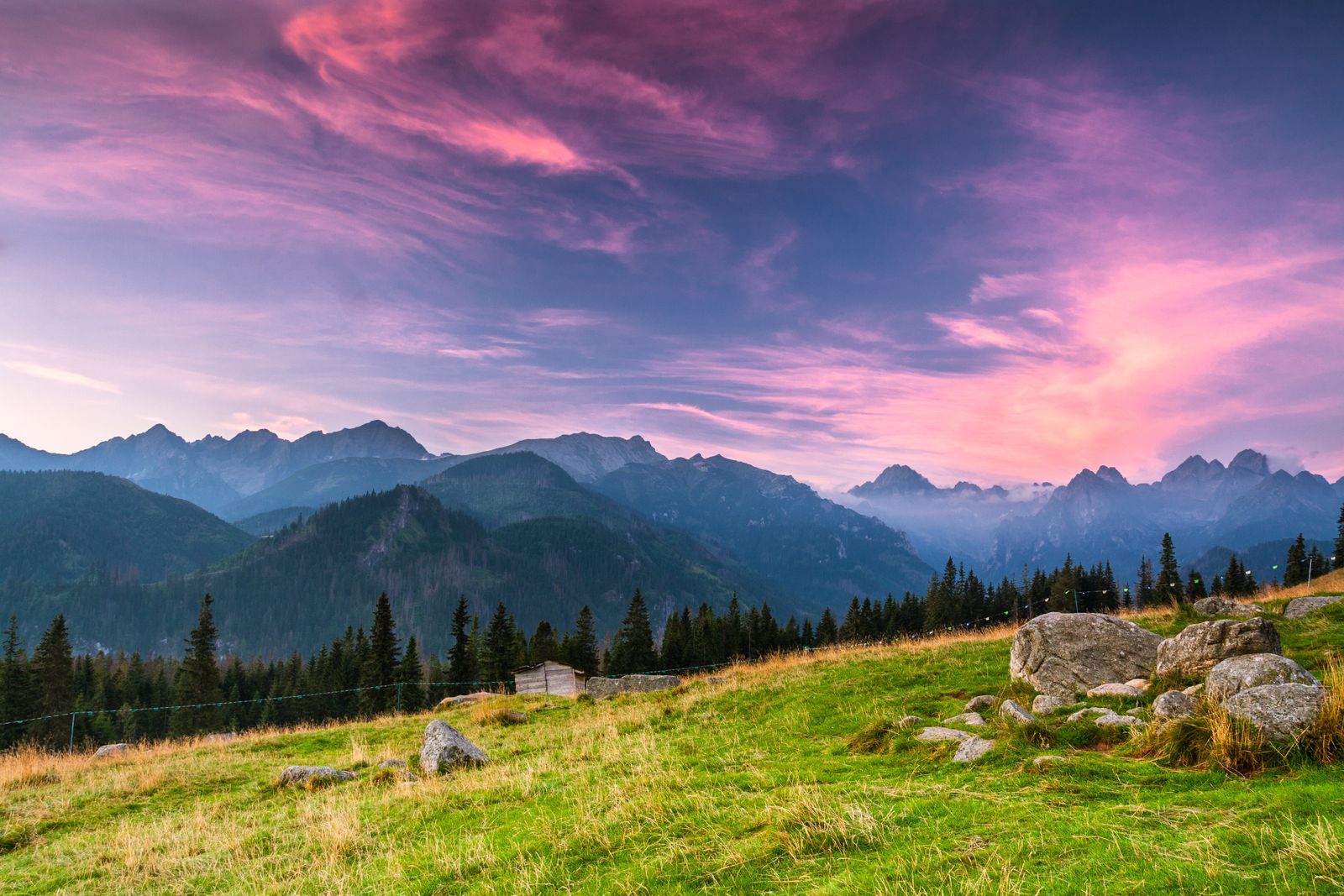
August
Warm-season travel, mountain paths and lake escapes

September
Early autumn, harvest season and generally lighter crowds
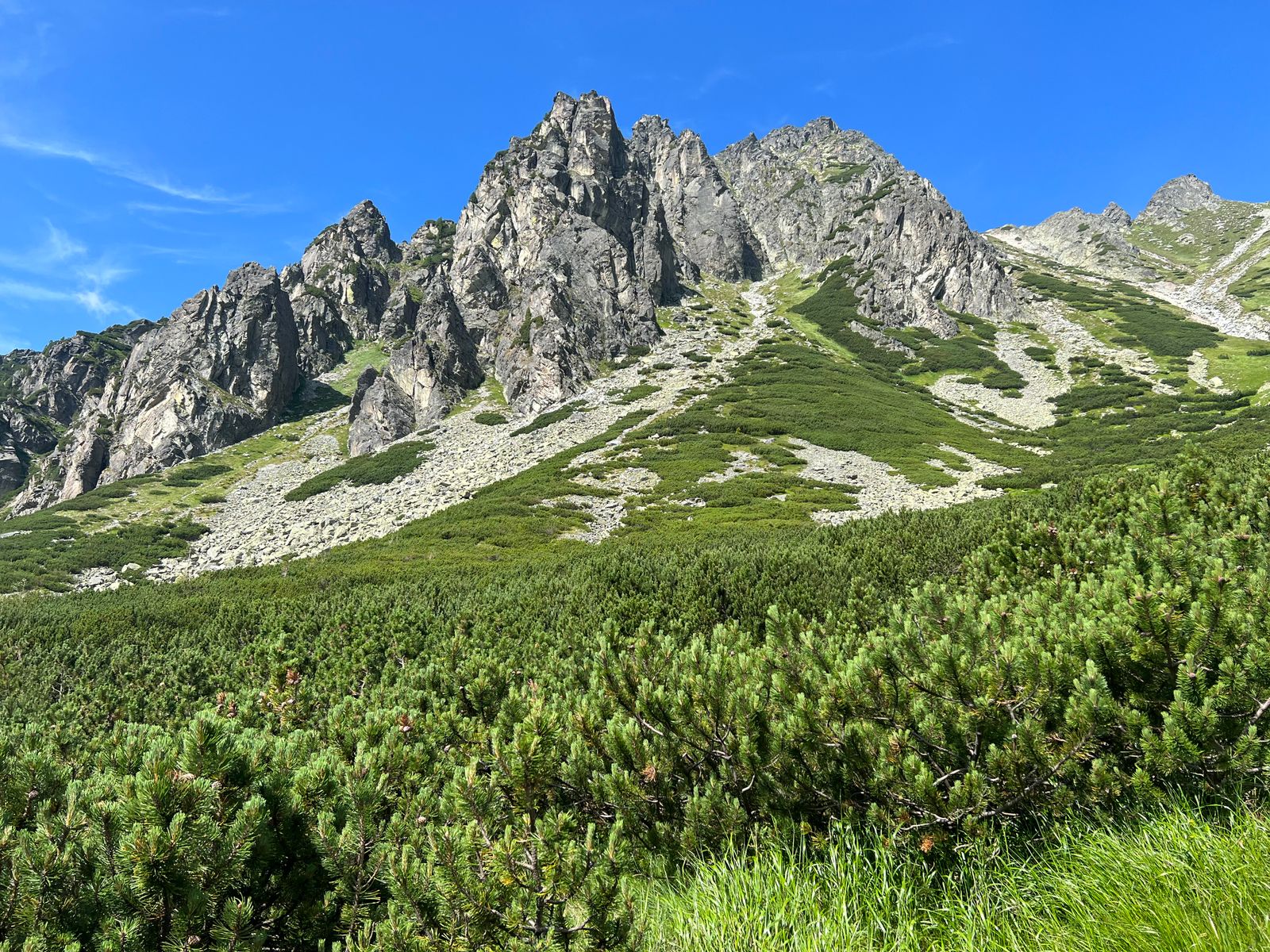
October
Autumn colour, city culture and cooler evenings

November
Indoor culture, quieter cities and seasonal cuisine
December
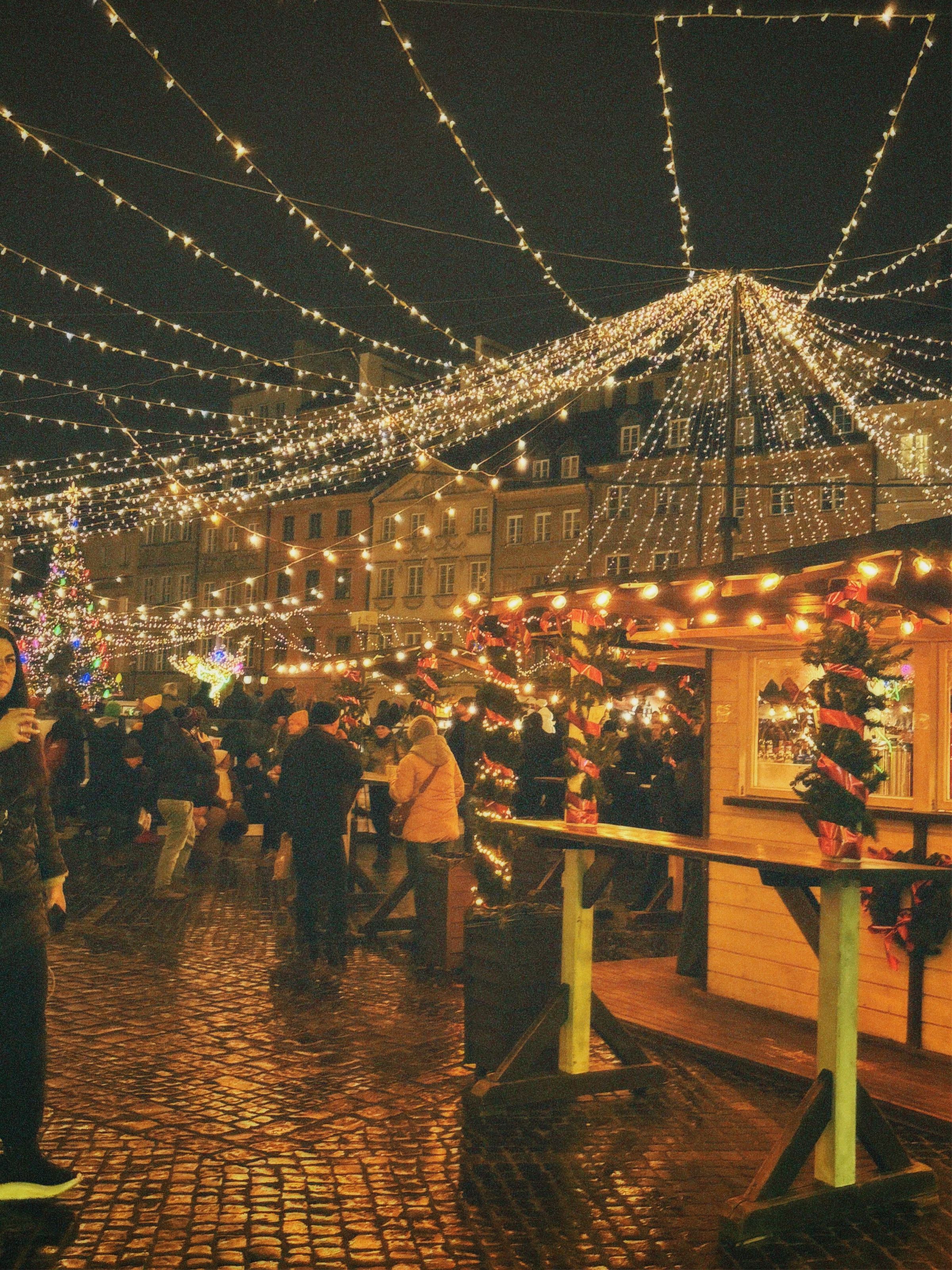
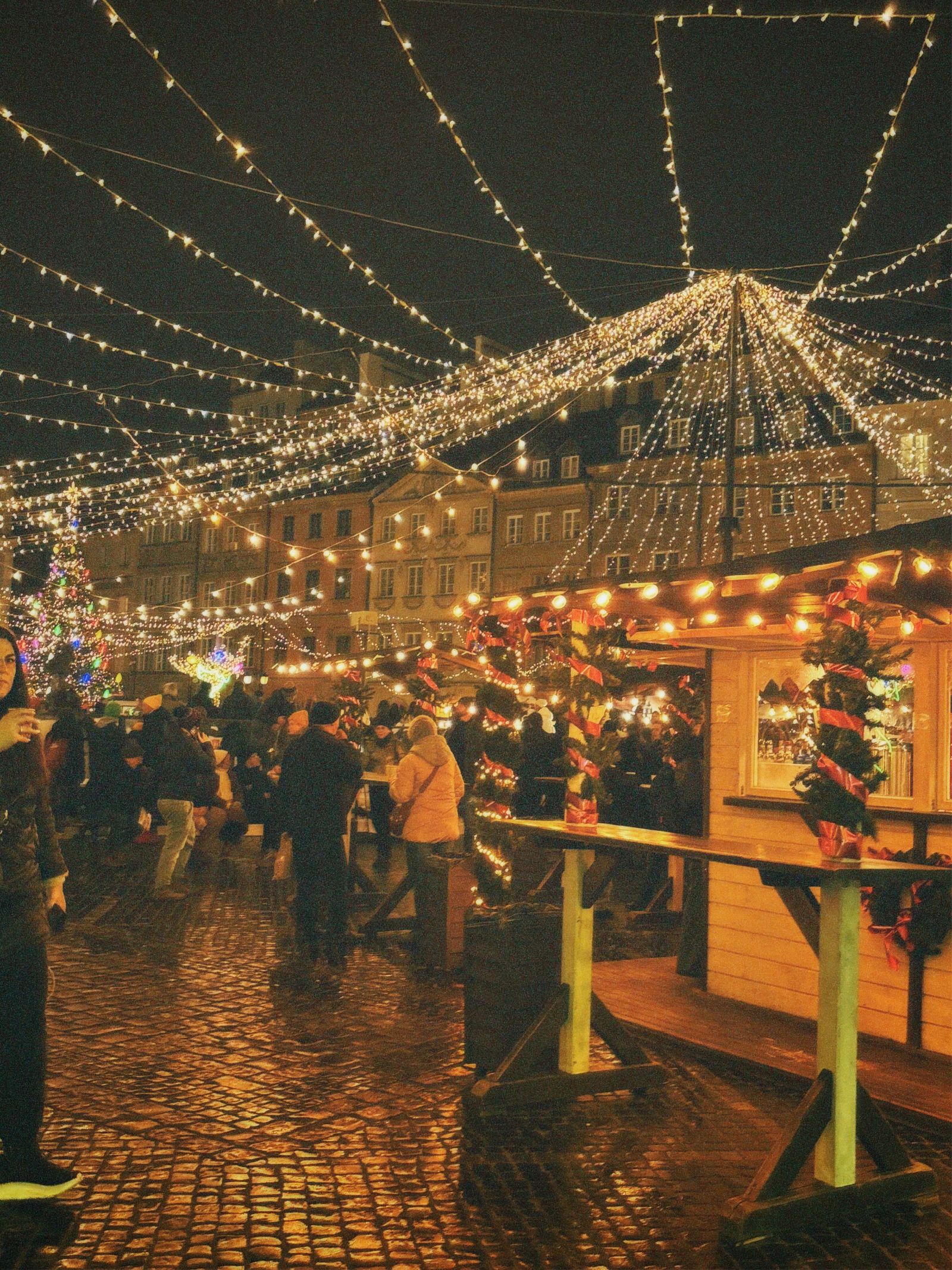
Christmas markets, festive cities and winter travel